
Research peptides,
done right.
A tight catalog of high-purity compounds, synthesised to a 96–100% purity specification, sealed and dispatched from the UK the same day.
For laboratory research use only. Not for human or veterinary use.
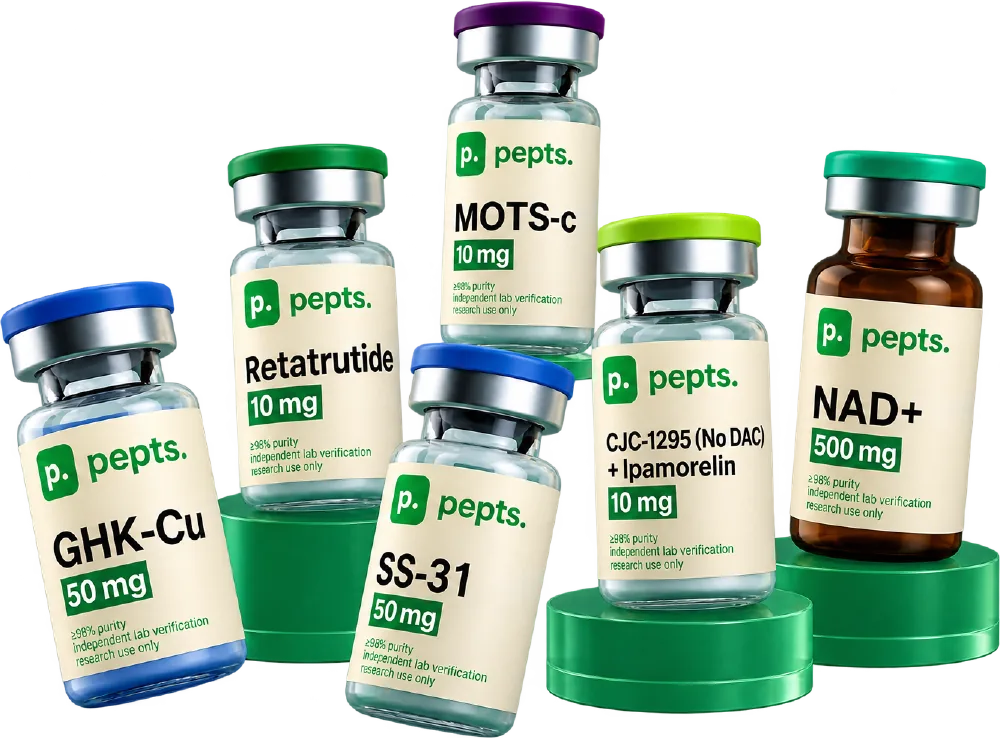
Sealed glass vials
Lyophilized powder, sealed and labelled with its storage guidance.
96–100% purity standard
Every compound is synthesised to a 96–100% purity specification, stated on its product page.
Cold-chain handling
Lyophilized vials stored and shipped under temperature control.
Fast dispatch
Orders placed before 2pm ship the same business day.
Most researched
The compounds labs reorder the most.
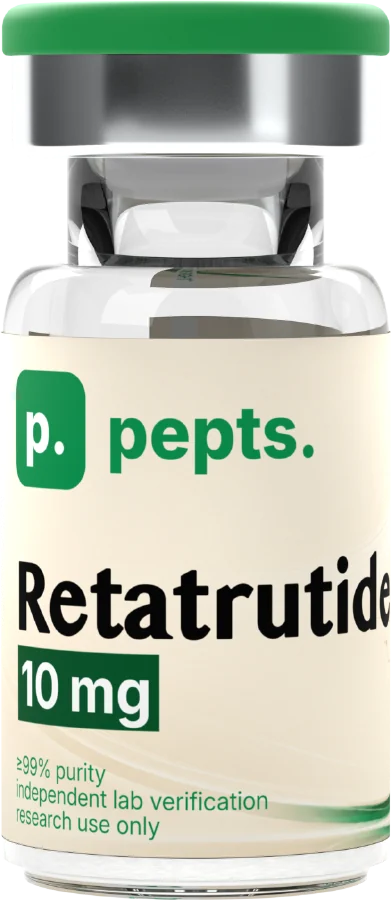
Retatrutide
Investigational triple GIP/GLP-1/glucagon receptor agonist for metabolic research.
6 sizes
from £44.99
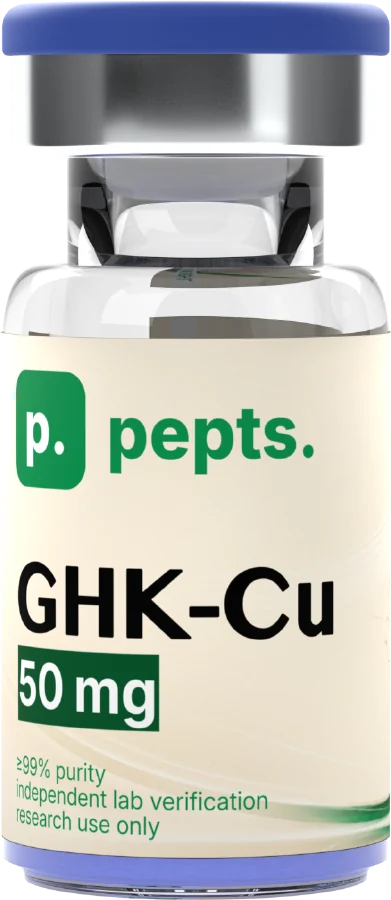
GHK-Cu
Copper tripeptide complex studied in skin matrix, collagen and gene-expression research.
2 sizes
from £19.99
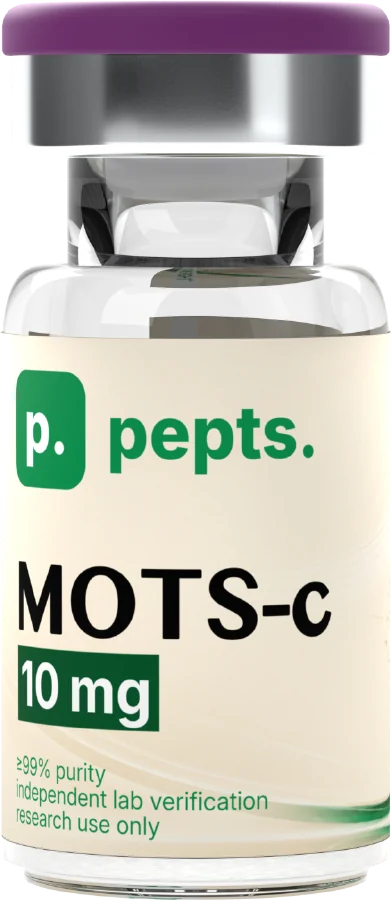
MOTS-c
Mitochondrial-derived peptide studied in AMPK signalling and metabolic regulation.
3 sizes
from £24.99
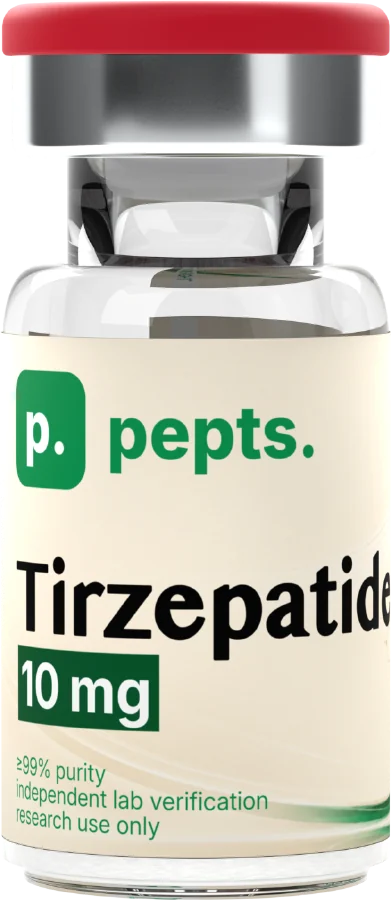
Tirzepatide
Dual GIP/GLP-1 receptor agonist studied in metabolic and obesity research.
3 sizes
from £39.99
Browse by research area




Reconstitution solvents and bench consumables are in Lab Essentials.
From the research desk
The studies behind the shelf, explained with their sources.

How to store research peptides: what the stability evidence reports
What reviews and regulator documents report about freeze-dried peptide powder, what changes after reconstitution, and which of the main research peptides have any published stability data at all.
11 November 2026 · 19 min read
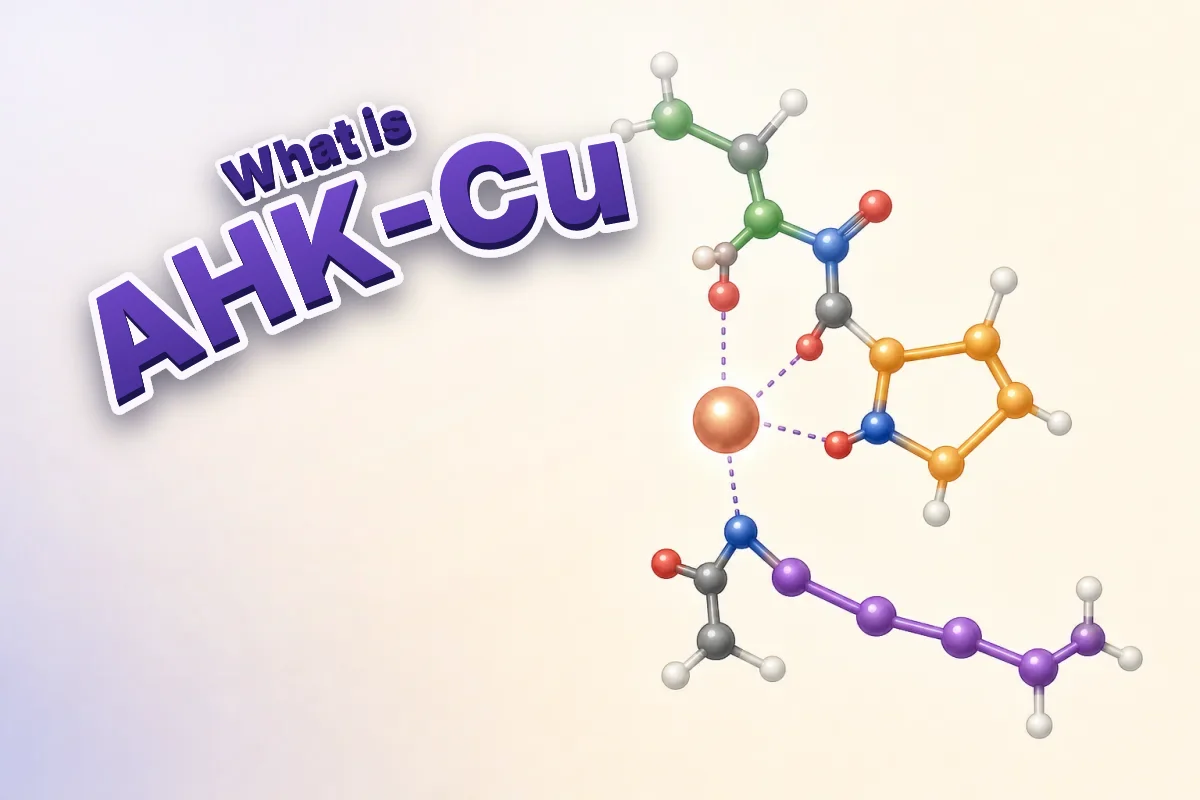
What is AHK-Cu? The copper peptide studied in hair follicles
AHK-Cu is the copper complex of the synthetic tripeptide Ala-His-Lys, one amino acid away from GHK-Cu. This guide sets out the one peer-reviewed follicle study, the patent's animal experiments and how thin the rest of the evidence is.
5 November 2026 · 19 min read
What is tirzepatide? The dual agonist and how it compares
Tirzepatide is a peptide that activates both the GIP and GLP-1 receptors. This guide covers how it works, what its trials measured and how it sits beside semaglutide, retatrutide and cagrilintide without ranking them.
21 October 2026 · 20 min read