
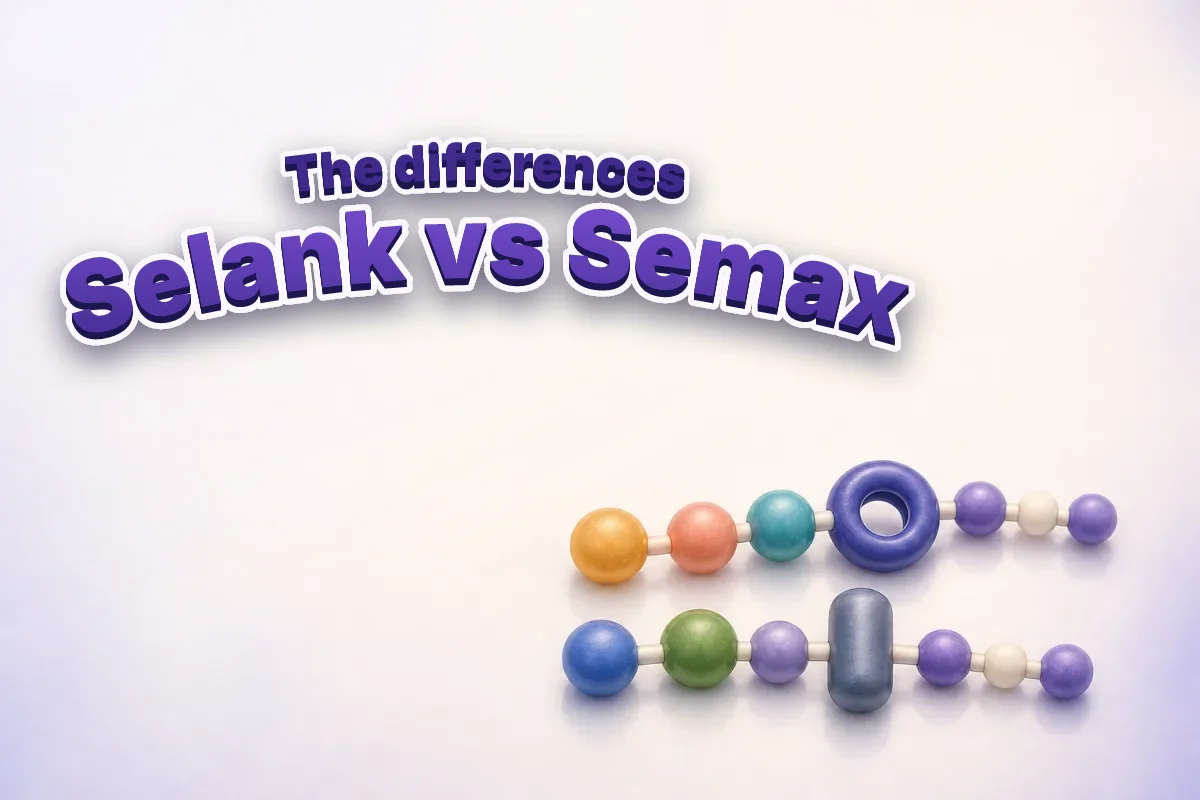
Our own short explainer of this guide: what each peptide is built from and the Pro-Gly-Pro tail they share, what each is proposed to act on, what the small human studies measured, and the one study that gave both. It shows what the podcast below talks through. Every figure on screen comes from this guide, where each one carries its source.
Video: "Selank vs Semax: What They Are, How They Might Work, and the Human Evidence", by Pepts.
Nothing loads from YouTube until you press play. From then on the player is YouTube's, under its own privacy policy.
Key points
- Semax and Selank are each seven residues long and share the identical Pro-Gly-Pro tail; Semax was built from an ACTH fragment and Selank from tuftsin [6], [8], [9], [13].
- Proposed mechanisms differ: BDNF and gene-expression changes for Semax, mostly in rats, and GABA-receptor modulation and gene-expression changes for Selank, in rat tissue and isolated membranes [6], [7], [8], [10].
- The human studies are small, 30 to 110 participants, published mostly in Russian journals between 1997 and 2020; two Selank studies are indexed as randomised trials, and none of the abstracts states blinding [1], [2], [3], [4], [11].
- The only human study that gave both peptides scanned 52 healthy participants with fMRI and reported connectivity differences between the right amygdala and the right temporal cortex [11].
- A 2022 review lists Semax as a registered nootropic drug and Selank as a registered anxiolytic in Russia, a registration that applies in that country; outside Russia both are investigational, neither is approved for human use in the UK, and the FDA says it lacks information on their safety in humans [14], [15].
Listen to the summary
A short two-voice summary of this guide.
Transcript
- Host
- Selank and Semax keep getting named in the same breath. Are they the same peptide?
- Researcher
- No, but they are close relatives in design. Each is a chain of seven amino acids. The last three residues are identical in both, proline, glycine, proline. The first four differ. Semax starts from a fragment of the hormone ACTH, and Selank starts from tuftsin, a fragment of an immunoglobulin.
- Host
- Why add the same tail to both?
- Researcher
- The papers give one reason. The tail was added to make the molecule more stable against breakdown. That is the stated purpose in the papers.
- Host
- And how do they work, according to the research?
- Researcher
- Mostly in rats and in the test tube. For Semax, the work proposes a rise in a growth factor called BDNF in the rat basal forebrain, and changes in immune and vascular genes in a rat stroke model. For Selank, the proposals centre on the GABA system, the same signalling pathway benzodiazepines act on, based on gene expression in rat cortex and binding in isolated membranes. Both also inhibited enkephalin-degrading enzymes in human serum, in a test tube.
- Host
- What about people?
- Researcher
- The human studies are small and old. The 1997 stroke study gave Semax to thirty patients against eighty on conventional therapy, the 2018 study enrolled one hundred and ten patients, and neither states blinding. The Selank studies in anxiety disorders had around thirty to forty patients per arm. Two are indexed as randomised trials, but their abstracts do not say whether they were blinded. Most of the studies in the guide appeared in Russian journals.
- Host
- Has anyone given both?
- Researcher
- One study did, in fifty-two healthy volunteers, with a brain scan before and after Semax, Selank or placebo. It reported differences in connectivity between the right amygdala and the right temporal cortex. It was not a trial in patients, and it does not show that either peptide changes anxiety or thinking.
- Host
- Where do they stand with regulators?
- Researcher
- A twenty twenty-two review lists both as registered in Russia. Outside Russia, both are investigational, and neither is approved for human use in the United Kingdom. No source in the guide records an authorisation from the MHRA, the EMA, the FDA or Colombia's INVIMA, and the FDA says it lacks safety information in humans.
- Host
- So what should a reader take from it?
- Researcher
- That the two are related by design and different in origin, target and evidence base, and that the evidence is thin. Every figure we gave is in the guide with its source.
What Selank and Semax are made of
Set Selank vs Semax side by side and the first thing that stands out is what the two share. Both are short synthetic peptides, each seven amino acids long [9], and a 2022 review of peptide medicines registered in Russia lists Semax as a nootropic drug and Selank as an anxiolytic [14]. Each is a natural regulatory fragment with the same three-residue tail, Pro-Gly-Pro, added at one end [8], [13]. The sections below cover what each peptide is made of, what the published studies propose about how each works, what the human studies measured, how the two differ, and where each stands with regulators.
Semax has the sequence Met-Glu-His-Phe-Pro-Gly-Pro [6]. The papers describe it as an analogue of the N-terminal fragment 4-10 of adrenocorticotropic hormone (ACTH) [6]; a 2023 review puts it more narrowly, saying that the N-terminus of Semax contains an ACTH(4-7) fragment and that the C-terminus is stabilised by the added Pro-Gly-Pro [13]. The 2022 review credits its synthesis to scientists at the Institute of Molecular Genetics of the Russian Academy of Sciences, working under the guidance of two academicians, I. P. Ashmarin and N. F. Myasoedov [14].
Selank has the sequence Thr-Lys-Pro-Arg-Pro-Gly-Pro [9]. It is a synthetic analogue of tuftsin, the short Thr-Lys-Pro-Arg fragment of the heavy chain of human immunoglobulin G [8]. According to a 2016 paper on its gene-expression effects, the molecule was elongated at the C terminus by three natural L-amino acids, Pro-Gly-Pro, to improve its metabolic stability and give a relatively longer duration [8]. A 2017 paper on the behaviour of rats given either peptide calls the parent molecule immunomodulatory [12].
Read side by side, the two sequences make the design plain. The last three residues are identical, Pro-Gly-Pro, and the first four differ: Met-Glu-His-Phe for Semax, from the hormone fragment, and Thr-Lys-Pro-Arg for Selank, from tuftsin [6], [8], [9]. The sources that explain the tail give the same reason for it in both cases, namely stability against breakdown [8], [13].
In a serum assay, the seven-residue forms of both peptides and their pentapeptide fragments inhibited enkephalin-degrading enzymes, while the tri-, tetra- and hexapeptide fragments did not [9]. The assay was in vitro.
How Semax is thought to work
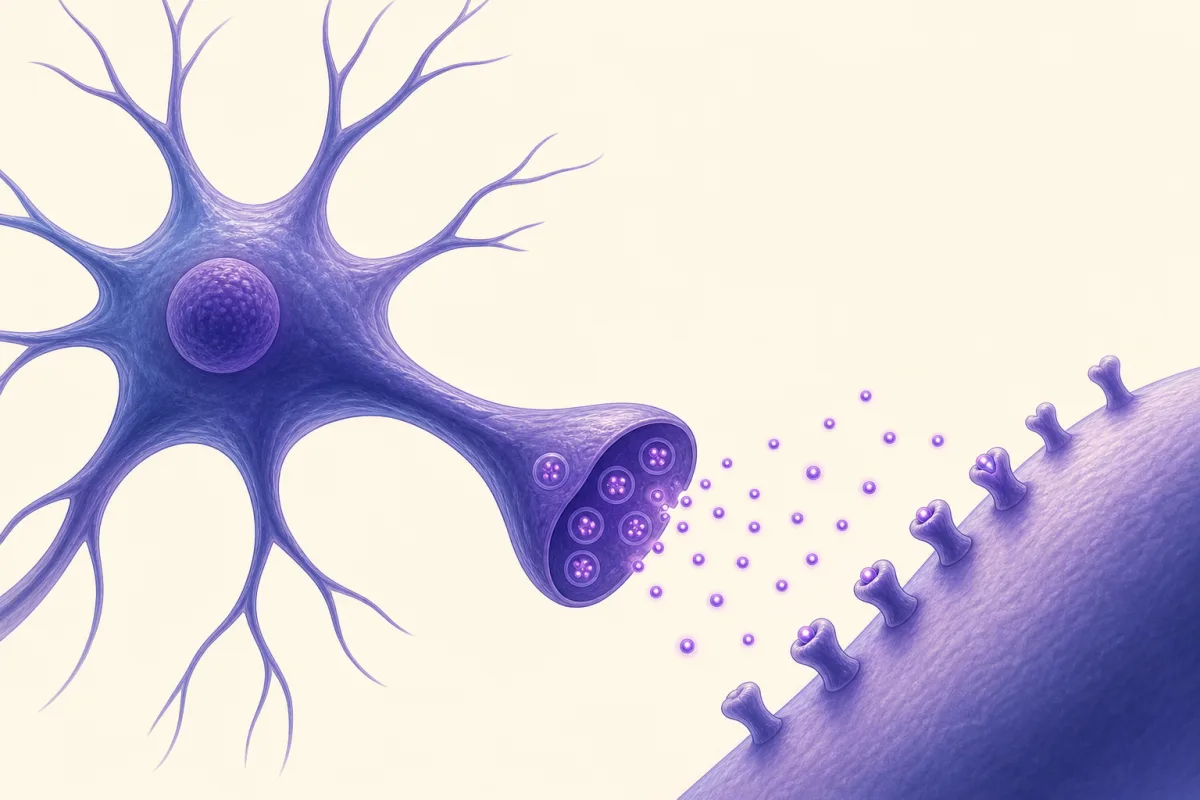
One proposal for how Semax works is that it raises brain-derived neurotrophic factor (BDNF), a protein involved in the plasticity of synapses. In a 2006 study in rats, the authors first noted an earlier observation that Semax stimulated BDNF synthesis in astrocytes cultured from the rat basal forebrain, and then examined the living brain [6]. Membranes from the basal forebrain contained specific, reversible, calcium-dependent binding sites for radiolabelled Semax, with a dissociation constant (KD) of 2.4 ± 1.0 nM and a BMAX of 33.5 ± 7.9 fmol/mg protein [6]. After the peptide was applied to the rats, BDNF protein rose within 3 hours in the basal forebrain, but not in the cerebellum [6]. The authors concluded that the cognitive effects of Semax might be associated, at least in part, with higher BDNF in that region [6].
A second line of work asks what Semax does to gene activity when the brain is short of blood. In a 2014 genome-wide study, rats underwent permanent occlusion of the middle cerebral artery, a standard model of stroke, and the activity of genes in the affected cortex was compared with and without Semax at 3 and 24 hours [7]. Genes related to the immune system made up over 50% of the genes whose expression Semax altered, and chemokine and immunoglobulin genes formed the most notable groups [7]. Semax also altered the expression of 24 genes related to the vascular system at 3 hours and 12 at 24 hours, genes the authors link to the development and migration of endothelial tissue, vasculogenesis and related processes [7]. The authors concluded that the immune response is the process most markedly affected, and that this immunomodulating effect and the effect on the vascular system are likely to be key mechanisms of the peptide's neuroprotective action [7].
The same theme appears in people, though only at the level of a blood marker. In a 2018 study of patients after ischaemic stroke, plasma BDNF was measured in groups that did and did not receive Semax, and the authors reported that Semax increased plasma BDNF levels, which stayed high through the study period [3]. The study did not say it was blinded or randomised, and a rise in BDNF in the blood does not show what happened in the brain tissue [3]. It does fit the direction of the rat finding, and nothing more should be drawn from it.
Taken together, the Semax mechanism data are of three kinds: binding and a protein level in rat brain tissue [6], changes in gene expression in a rat stroke model [7], and a plasma marker in patients [3]. Each is an association between giving the peptide and a measurement. None is a demonstration that BDNF, or any one gene, is the route by which the peptide produces a clinical effect, and the authors of these papers frame them as proposals.
How Selank is thought to work
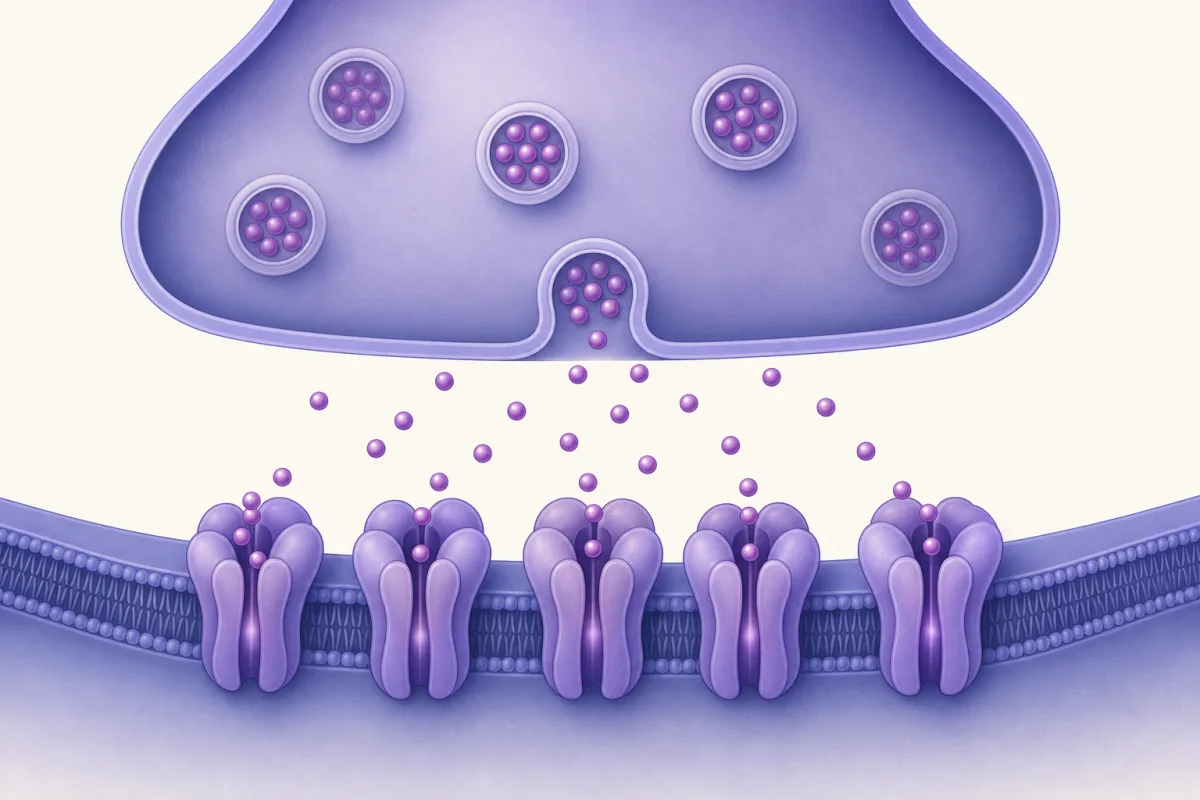
For Selank, the leading proposal is that it acts on the GABA system, the brain's main inhibitory signalling pathway, which is also the target of benzodiazepine tranquillisers. A 2016 paper starts from the clinical observation that Selank and classical benzodiazepines such as diazepam and phenazepam show a similar spectrum of physiological effects, and tests whether a similar mechanism lies behind it [8]. The authors measured the expression of 84 genes involved in neurotransmission in the frontal cortex of rats 1 and 3 hours after giving Selank or GABA (300 μg/kg) [8]. Expression of 45 genes changed significantly 1 hour after the compounds, and 22 genes changed at 3 hours [8].
The two profiles overlapped but did not match. Twenty-five of the 45 genes changed after either compound, four (Drd1a, Drd2, Ptgs2 and Slc6a13) changed only after Selank, and 16 changed only after GABA [8]. The authors found a positive correlation between the changes caused by the two compounds, and they described one possible molecular mechanism of Selank as allosteric modulation of the GABAergic system, while also stating that the match between the expression profiles was not perfect [8].
A second study looked at the receptor more directly. Using radioligand binding on membranes isolated from brain cells, the authors reported that Selank affected the binding of radiolabelled GABA as a positive allosteric modulator [10]. The combined action of Selank and some benzodiazepines was not cumulative and differed from either substance alone, and Selank was able to block the modulatory activity of diazepam and of olanzapine [10]. The authors judged that the binding sites of the peptide and of the benzodiazepine were apparently not the same but might partly overlap, and they concluded that one of Selank's anti-anxiety mechanisms can be associated with subtype-selective, concentration-dependent allosteric modulation of GABA receptors [10].
The gene-expression study reported changes in genes involved in neurotransmission, among them GABA receptor subunits, transporters, ion channels, and dopamine and serotonin receptors [8]. The 2017 rat study describes the parent molecule, tuftsin, as immunomodulatory [12].
The same caution applies as for Semax. The gene-expression work was done in rat frontal cortex, the binding work on isolated membranes, and the enkephalin assay in human serum in a test tube [8], [9], [10]. The authors of the receptor paper describe their conclusion as a hypothesis that their experiments support, not as a settled account of what the peptide does in a person [10].
What the human studies measured
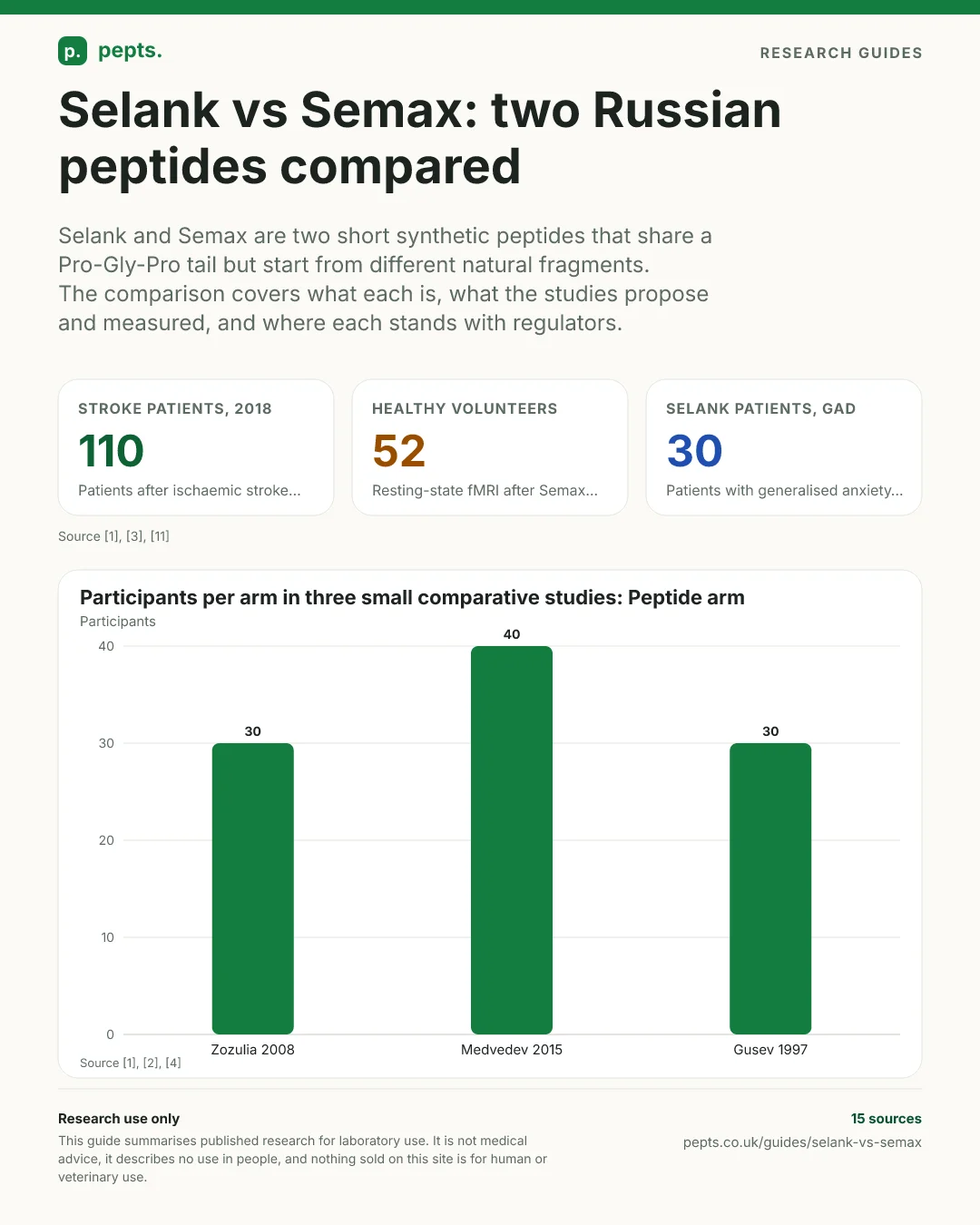
The human evidence on these peptides is small and old by the standards of modern drug trials. The five human studies described here were published between 1997 and 2020, mostly in Russian journals, and range from 30 to 110 participants [1], [2], [3], [4], [11]. Two additional sources are reviews, one of the Semax clinical literature in stroke and one of peptide drug development in Russia [5], [14]. The figures below are therefore descriptions of what small studies reported and not estimates of what the peptides do.
Stroke patients, 2018
110
Patients after ischaemic stroke in early and late rehabilitation groups, each with semax+ and semax- subgroups [3]
Healthy volunteers
52
Resting-state fMRI after Semax, Selank or placebo, the only human study to give both [11]
Selank patients, GAD
30
Patients with generalised anxiety disorder and neurasthenia given Selank, set against 32 given medazepam [1]
Semax was studied mainly in ischaemic stroke. The 1997 study compared 30 patients given Semax with 80 controls on conventional therapy, and the authors reported that Semax had some influence on the rate of recovery of neurological function, especially motor function [4]. The 2018 study, 21 years later, measured plasma BDNF, motor performance and the Barthel index of daily function in 110 patients in early and late rehabilitation groups [3]. Both are described without any statement of blinding, and the 2018 abstract states no randomisation, which leaves room for differences between the groups that were present before treatment [3], [4].
Selank was studied in anxiety disorders. Zozulia and colleagues compared it with the benzodiazepine medazepam in patients with generalised anxiety disorder and neurasthenia and reported similar anxiolytic effects [1]. Medvedev and colleagues compared phenazepam alone with phenazepam plus Selank and reported that the combination reached an effect earlier on one scale and reduced side-effects of the tranquilliser [2]. PubMed indexes both as randomised trials, but the abstracts do not say whether either trial was blinded [1], [2].
Number of patients in the peptide arm and in the comparison arm, as the abstracts report them.
Comparison arms were medazepam (Zozulia), phenazepam alone (Medvedev, where the peptide arm took Selank with phenazepam) and conventional therapy (Gusev). The 2018 stroke study (110 patients) and the fMRI study (52 volunteers) had a different structure and are not charted.
| Gusev et al, 1997 [4] | Semax | 30 patients in the acute period of hemispheric ischaemic stroke; 80 controls | Semax added to combined intensive therapy; controls on conventional therapy; no blinding stated | Clinical rating scales, EEG with mapping, somatosensory evoked potentials |
| Zozulia et al, 2008 [1] | Selank | Generalised anxiety disorder and neurasthenia; Selank 30 patients, medazepam 32 | Indexed as a randomised trial; the abstract does not say whether it was blinded | Hamilton, Zung and CGI scales; serum enkephalin activity |
| Medvedev et al, 2015 [2] | Selank | Anxiety-phobic, hypochondriac and somatoform disorders; phenazepam 30, Selank plus phenazepam 40 | Indexed as a randomised trial; the abstract does not say whether it was blinded | HDRS, CGI, Spilberger, UKU, Stroop, verbal fluency, SF-36 |
| Gusev et al, 2018 [3] | Semax | 110 patients after ischaemic stroke, early (89±9 days) and late (214±22 days) rehabilitation groups | Each group split into semax+ and semax- subgroups; no blinding or randomisation stated | Plasma BDNF, British Medical Research Council motor scale, Barthel index |
| Panikratova et al, 2020 [11] | Semax and Selank | 52 healthy participants | Semax, Selank or placebo; fMRI before and 5 and 20 minutes after | Whole-brain resting-state functional connectivity of the amygdala and dorsolateral prefrontal cortex |
Clinical trial · 1997The authors reported that adding Semax had some influence on the rate of restoration of damaged neurological functions, in terms of the regress of general cerebral and focal, especially motor, disorders
- Design
- Clinical and electrophysiological study with a conventional-therapy control group; no blinding stated in the abstract
- Population
- 30 patients in the acute period of hemispheric ischaemic stroke given Semax; 80 control patients with strokes of similar severity and location
- Intervention
- Semax added to combined intensive therapy, in the acute period of hemispheric ischaemic stroke; controls received conventional therapy alone
- Finding
- The authors reported that adding Semax had some influence on the rate of restoration of damaged neurological functions, in terms of the regress of general cerebral and focal, especially motor, disorders
Randomised trial · 2008The authors reported that the anxiolytic effects of both drugs were similar, that Selank also had antiasthenic and psychostimulant effects, and that the enkephalin parameter rose during Selank treatment, mostly in patients with generalised anxiety disorder
- Design
- Indexed as a randomised trial; the abstract does not say whether it was blinded
- Population
- 62 patients with generalised anxiety disorder and neurasthenia, Selank in 30 and medazepam in 32
- Intervention
- Selank compared with medazepam; state assessed with psychometric scales and serum enkephalin activity
- Finding
- The authors reported that the anxiolytic effects of both drugs were similar, that Selank also had antiasthenic and psychostimulant effects, and that the enkephalin parameter rose during Selank treatment, mostly in patients with generalised anxiety disorder
Randomised trial · 2015The authors reported that the effect of phenazepam came earlier on the HDRS with Selank added and that the combination reduced phenazepam side-effects such as attention and memory impairment, asthenia and sedation, during treatment and after withdrawal
- Design
- Indexed as a randomised trial; the abstract does not say whether it was blinded
- Population
- 70 patients with anxiety-phobic, hypochondriac and somatoform disorders, phenazepam alone in 30 and Selank plus phenazepam in 40
- Intervention
- Phenazepam monotherapy compared with phenazepam plus Selank; efficacy on HDRS, CGI and Spilberger scales and tolerability on the UKU scale
- Finding
- The authors reported that the effect of phenazepam came earlier on the HDRS with Selank added and that the combination reduced phenazepam side-effects such as attention and memory impairment, asthenia and sedation, during treatment and after withdrawal
Clinical trial · 2018The authors reported that Semax increased plasma BDNF regardless of the timing of rehabilitation, accelerated improvement in the Barthel index and improved its final value, and that early rehabilitation was associated with better motor performance
- Design
- Comparison of early and late rehabilitation groups, each with semax+ and semax- subgroups; no blinding or randomisation stated in the abstract
- Population
- 110 patients after ischaemic stroke (43 men, 67 women), early rehabilitation at 89±9 days and late at 214±22 days
- Intervention
- Patients in the semax+ subgroups received two courses of 6000 mcg a day for 10 days with a 20-day interval; plasma BDNF, motor performance and Barthel index were assessed
- Finding
- The authors reported that Semax increased plasma BDNF regardless of the timing of rehabilitation, accelerated improvement in the Barthel index and improved its final value, and that early rehabilitation was associated with better motor performance
Clinical trial · 2020The authors reported differences between groups and conditions in connectivity between the right amygdala and a region of the right temporal cortex, and defined both general and specific effects of the two peptides on that link
- Design
- Placebo-controlled resting-state fMRI study in healthy people; the abstract gives the design as three scans, before and 5 and 20 minutes after
- Population
- 52 healthy participants
- Intervention
- Semax, Selank or placebo, with connectivity measured from the amygdala and the dorsolateral prefrontal cortex in each hemisphere
- Finding
- The authors reported differences between groups and conditions in connectivity between the right amygdala and a region of the right temporal cortex, and defined both general and specific effects of the two peptides on that link
A 2024 review of clinical studies of Semax in ischaemic stroke concluded, from the studies its authors gathered, that the peptide was clinically effective in the acute and recovery periods of stroke and in both atherothrombotic and cardioembolic subtypes [5].
Selank vs Semax side by side
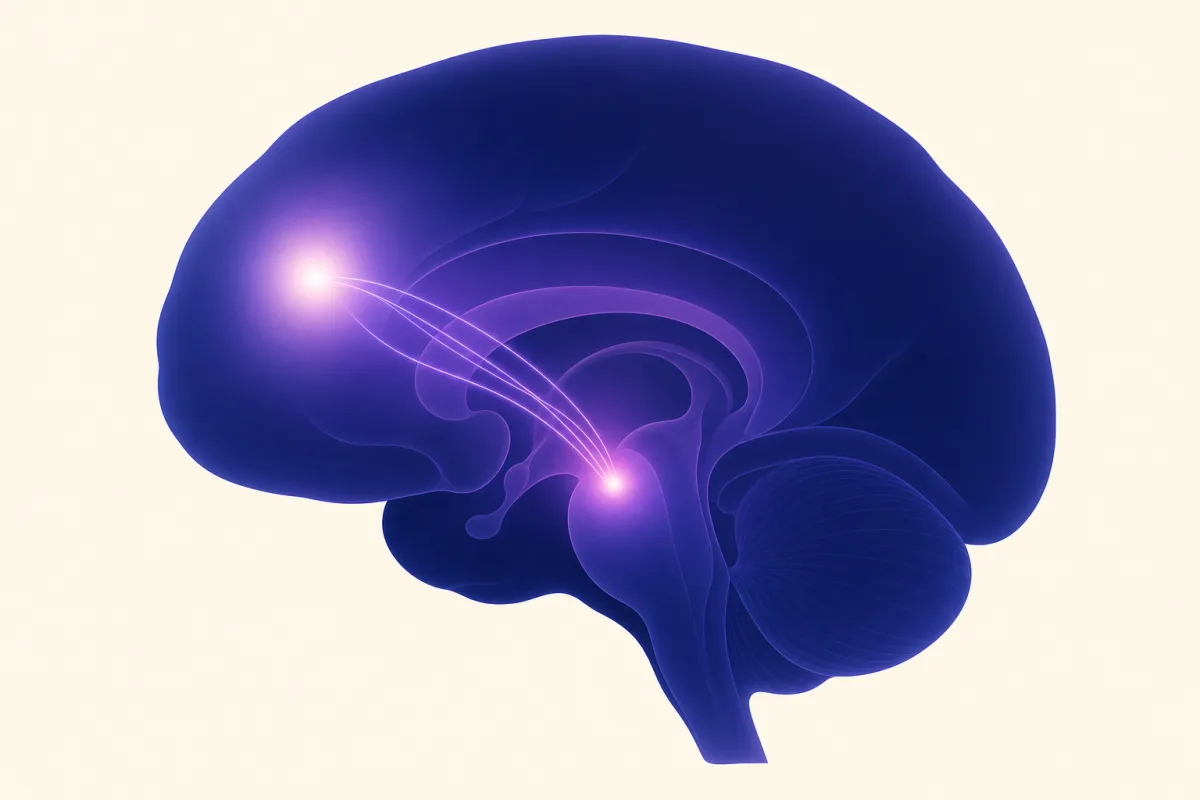
Only one human study gave both peptides. In the 2020 resting-state fMRI study, 52 healthy participants were scanned three times, before and 5 and 20 minutes after Semax, Selank or placebo [11]. The authors mapped how strongly each of four regions, the amygdala and the dorsolateral prefrontal cortex in each hemisphere, was connected to the rest of the brain [11]. They reported group and condition differences in connectivity between the right amygdala and a region spanning the fusiform, inferior and middle temporal and parahippocampal gyri of the right hemisphere, and described both general and specific effects of the two peptides on the link between the right amygdala and the right temporal cortex [11]. This is a brain-imaging finding in healthy people. It does not say that either peptide changes anxiety or cognition, and it was not a trial in patients.
Two further comparisons are not in people. In rats with parkinsonism-like damage from the toxin 6-OHDA, neither peptide affected motor activity or passive defensive behaviour, while Selank decreased the animals' anxiety in an elevated cross-shaped maze [12]. In the human serum assay, both peptides inhibited enkephalin-degrading enzymes, Semax at an IC50 of 10 µM and Selank at 20 µM [9]. No source in this guide reports a head-to-head trial of the two peptides in patients.
The comparison is clearest by origin, target and evidence base. Semax comes from a hormone fragment, has been studied chiefly in stroke and cognition, and has the more extensive rat work on BDNF and gene expression [3], [4], [6], [7], [13]. Selank comes from tuftsin, has been studied chiefly in generalised anxiety and neurasthenia, and has the rat and in vitro work on GABA binding and gene expression [1], [2], [8], [10]. A 2022 review lists Semax as a registered nootropic drug and Selank as a registered anxiolytic in Russia [14].
| Built from | The ACTH fragment Met-Glu-His-Phe, with the Pro-Gly-Pro tail added [6], [13] | Tuftsin, Thr-Lys-Pro-Arg, with the Pro-Gly-Pro tail added [8], [9] |
| Sequence | Met-Glu-His-Phe-Pro-Gly-Pro [6] | Thr-Lys-Pro-Arg-Pro-Gly-Pro [9] |
| Category in the Russian register | Nootropic drug, per a 2022 review [14] | Anxiolytic, per a 2022 review [14] |
| Proposed mechanisms | BDNF in rat basal forebrain; gene expression in rat stroke model; enkephalin-degrading enzymes in human serum [6], [7], [9] | GABA receptor modulation in isolated membranes; gene expression in rat frontal cortex; enkephalin-degrading enzymes in human serum [8], [9], [10] |
| Human studies in patients | Ischaemic stroke, 30 and 110 patients, no blinding stated [3], [4] | Generalised anxiety disorder, neurasthenia and anxiety-spectrum disorders, 30 and 40 patients in the peptide arms, indexed as randomised trials with blinding not stated [1], [2] |
| Human study with both | The same single study: resting-state fMRI in 52 healthy participants [11] | See the Semax column |
| Rats with 6-OHDA damage | No effect on motor activity or passive defensive behaviour [12] | No effect on those measures; lower anxiety in the maze [12] |
Source [1], [2], [3], [4], [6], [7], [8], [9], [10], [11], [12], [13], [14]
What is still open, and regulatory status
Several questions remain open, and the limits set out in the human-studies section apply to each. The mechanism data come mostly from rats and from test-tube work, in which a change in a gene or a protein was measured and its cause was not shown [6], [7], [8], [10]. The Semax findings come from stroke and the Selank findings from anxiety, so a difference between the two in the literature may reflect what each was tested in, not what each does.
A 2022 review of Russian peptide medicines lists Semax as a nootropic drug and Selank as an anxiolytic among 14 peptide-based products it records as registered in the Russian Federation [14], a registration that applies in that country. The review's authors state that the neuroprotective effects of Semax have been established in vitro and in animal models of cerebral ischaemia, as well as under clinical conditions [14]; that is their summary, to be read with the study-level limits above.
The United States Food and Drug Administration (FDA) page on certain bulk drug substances for use in compounding lists "Selank acetate (TP-7)" and "Semax (heptapeptide)" among substances previously in category 2 of its interim policies that were withdrawn by the nominators [15]. For Selank, the FDA says it lacks important information regarding any safety issues raised by selank acetate administered to humans, and that compounded drugs containing it may pose a risk of immunogenicity for certain routes of administration because of potential aggregation and peptide-related impurities [15]. For Semax, it says it has no, or limited, safety-related information for proposed routes of administration, and therefore lacks sufficient information to know whether the drug would cause harm if administered to humans [15]. The page is described as current as of 22 April 2026, and a withdrawn nomination is not an approval of any kind [15].
No source in this guide records a marketing authorisation for either peptide from the MHRA, the EMA, the FDA or Colombia's INVIMA, and the FDA says it lacks information on their safety in humans [15].
On our shelf
Research-grade Semax, for laboratory use only.
View the listing
Research-grade Selank, for laboratory use only.
View the listing
Research use only This guide summarises published research for laboratory use. It is not medical advice, it describes no use in people, and nothing sold on this site is for human or veterinary use.
References
Every figure in this guide points at one of the sources below; the number in brackets is the entry it came from.
- Z
Zozulia AA, Neznamov GG, Siuniakov TS, et al.
Randomised trialZh Nevrol Psikhiatr Im S S Korsakova2008PMID 18454096pubmed.ncbi.nlm.nih.gov
- Z
Medvedev VE, Tereshchenko ON, Kost NV, et al.
Randomised trialZh Nevrol Psikhiatr Im S S Korsakova2015 - Z
Gusev EI, Martynov MY, Kostenko EV, et al.
Clinical trialZh Nevrol Psikhiatr Im S S Korsakova2018 - Z
Gusev EI, Skvortsova VI, Miasoedov NF, et al.
Clinical trialZh Nevrol Psikhiatr Im S S Korsakova1997PMID 11517472pubmed.ncbi.nlm.nih.gov
- Z
Spirin NN, Fedorov VN, Vdovichenko VP.
ReviewZhurnal nevrologii i psikhiatrii imeni S.S. Korsakova2024 - J
Dolotov OV, Karpenko EA, Seredenina TS, et al.
PreclinicalJ Neurochem2006 - B
Medvedeva EV, Dmitrieva VG, Povarova OV, et al.
PreclinicalBMC Genomics2014 - F[8]Selank Administration Affects the Expression of Some Genes Involved in GABAergic Neurotransmission
Volkova A, Shadrina M, Kolomin T, et al.
PreclinicalFrontiers in pharmacology2016 - B
Kost NV, Sokolov OIu, Gabaeva MV, et al.
PreclinicalBioorg Khim2001 - P
Vyunova TV, Andreeva L, Shevchenko K, et al.
PreclinicalProtein and peptide letters2018 - D
Panikratova YR, Lebedeva IS, Sokolov OY, et al.
Clinical trialDoklady biological sciences : proceedings of the Academy of Sciences of the USSR, Biological sciences sections2020 - D
Slominsky PA, Shadrina MI, Kolomin TA, et al.
PreclinicalDoklady biological sciences : proceedings of the Academy of Sciences of the USSR, Biological sciences sections2017 - G
Dergunova LV, Filippenkov IB, Limborska SA, et al.
ReviewGenes2023 - P
Deigin VI, Poluektova EA, Beniashvili AG, et al.
ReviewPharmaceutics2022DOI 10.3390/pharmaceutics14040716PMID 35456550PMC9030433doi.org
- F
US Food and Drug Administration
Regulator or registryFDA, content current as of 22 April 20262026fda.gov
Questions
What is the difference between Selank and Semax?
Semax is built on a fragment of the hormone ACTH and Selank on tuftsin, with the same Pro-Gly-Pro tail on both [6], [8], [13]. Semax has been studied mainly in ischaemic stroke and Selank mainly in generalised anxiety and neurasthenia, and a 2022 review lists them as a nootropic drug and an anxiolytic [1], [3], [14].
What is Selank?
Selank is a synthetic peptide with the sequence Thr-Lys-Pro-Arg-Pro-Gly-Pro, an analogue of tuftsin extended with Pro-Gly-Pro to improve its metabolic stability [8], [9]. The rat and in vitro work proposes GABA-receptor modulation as one mechanism, and the two human studies are small and appeared in a Russian journal [1], [2], [10].
What is Semax?
Semax is a synthetic peptide with the sequence Met-Glu-His-Phe-Pro-Gly-Pro, an analogue of the ACTH(4-10) fragment [6]. Studies in rats propose that it raises BDNF and alters gene expression after ischaemia, and the human studies are in stroke [3], [4], [6], [7].
Have Selank and Semax been studied together?
The 2020 fMRI study gave each peptide to separate groups of healthy volunteers [11], a 2017 study gave both to rats [12], and an in vitro study measured both [9]. No source in this guide gave the two together to the same people, or reports a head-to-head trial in patients.
Why are they called Russian nootropic peptides?
Both are registered as medicines in Russia: a 2022 review of peptide medicines registered there lists Semax as a nootropic drug and Selank as an anxiolytic [14]. "Nootropic" is that review's category for Semax, not a finding about either peptide, and most of the clinical studies described here appeared in Russian journals [1], [2], [3], [4].